Failed Bread? Do You Really Need a Bread Machine for Perfect Loaves?
There’s a unique kind of culinary heartbreak that only a home baker truly understands: the failed loaf. You follow the recipe meticulously, grind your nuts, activate your yeast in lukewarm water, patiently wait for the dough to rise, and then, after the heavenly aroma fills your kitchen, you pull out... something that isn't quite bread. Perhaps it's dense, crumbly, or more akin to a rustic banana cake than a light, airy loaf. This moment often leads to the existential question for many aspiring bakers:
do I really need a bread machine to achieve that elusive "real bread" texture? Or is there something fundamentally wrong with my "breadability"?
Many home bakers, like the one who painstakingly crafted a "whole wheat, nuts, high fiber, breakfast bread" only to be disappointed by its banana-cake-like density, have questioned their skills. Despite using quality ingredients – whole wheat flour, cornmeal, toasted peanuts, flax seeds, black sesame, barley powder – and patiently seeing the dough rise, the final cut revealed a crumb structure lacking the hallmark of traditional bread. It tasted good, fulfilling even, thanks to the quality ingredients, but it wasn't *bread*. This common frustration often pushes individuals to wonder if a dedicated appliance is the only answer to consistent, perfect loaves. Let's explore whether a bread machine is truly the missing link in your bread-making journey.
The Allure of the Bread Machine: Convenience and Consistency
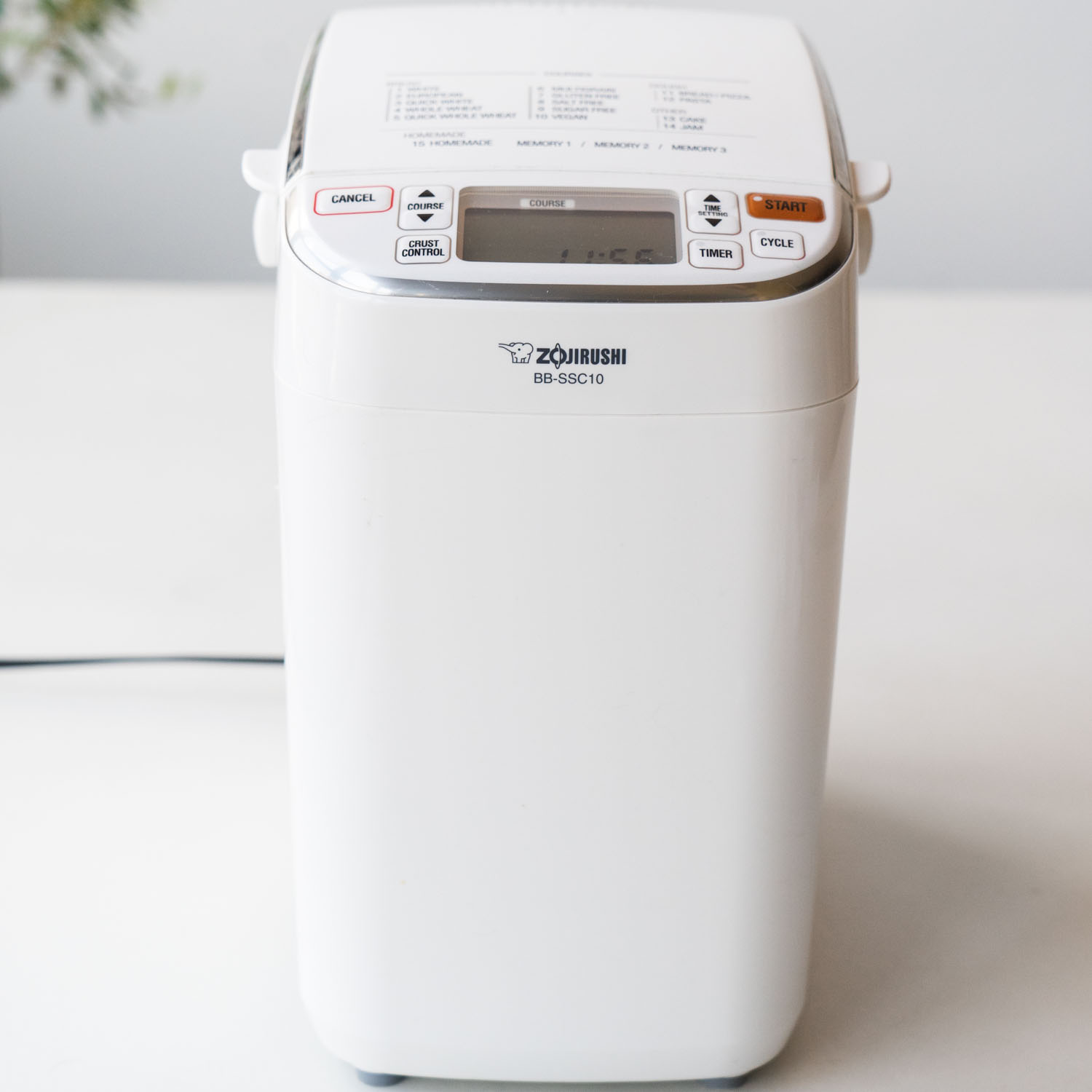
For many, the bread machine is a revelation, transforming bread making from a multi-step, time-consuming endeavor into a simple "add ingredients and press start" affair. If you've ever inherited a bread machine that sat gathering dust in your pantry for years, you might be surprised by its potential, just like many others who have rediscovered the joy it brings. The aroma of freshly baked bread wafting through your home first thing in the morning is undeniably one of life’s simple luxuries, and a bread machine makes that a consistent reality.
Imagine waking up to warm, preservative-free bread, ready to be sliced for breakfast. This convenience is a primary reason why many bakers fall in love with their bread machines. It handles all the messy, time-consuming parts: mixing, kneading, proofing, and baking, all within a single appliance. This hands-off approach makes it perfect for busy individuals or those new to baking who want consistent results without the steep learning curve of manual techniques.
Beyond mere convenience, a bread machine can be an excellent teacher. Many users report learning crucial lessons about ingredient ratios and their impact on the final product. For instance, understanding the delicate balance of salt to yeast is vital. Too little salt, and your bread might collapse; too much, and the yeast won't activate properly. The controlled environment of a bread machine helps demystify these interactions, allowing you to tweak recipes and observe direct results without having to worry about inconsistent kneading or proofing temperatures. It empowers you to create delicious, homemade bread with minimal effort, providing a consistent base upon which to build your baking confidence. To learn more about how these machines contribute to a healthier, easier baking experience, explore
Unlock Fresh, Preservative-Free Bread: Why a Machine Helps.
Decoding Your "Breadability": When a Machine Might (or Might Not) Be Essential
The question, "
do I need a bread machine?", isn't a simple yes or no. It fundamentally depends on your baking goals, lifestyle, and your current level of "breadability."
When a Bread Machine is Your Best Friend:
-
Beginners and Frustrated Bakers: If you consistently struggle with dough texture, proofing times, or achieving a good rise, a bread machine offers a controlled environment. It takes the guesswork out of kneading and maintaining optimal proofing temperatures, providing a reliable starting point.
-
Time-Constrained Individuals: For those with busy schedules, the "set it and forget it" nature of a bread machine is invaluable. You can prepare dough overnight for fresh morning bread or set it to bake while you're at work.
-
Desire for Consistency: If you crave perfectly consistent loaves every time without the manual effort, a bread machine delivers. It reduces variables, leading to predictable results.
-
Specialty Breads and Doughs: Many machines have settings for gluten-free breads, sweet breads, or even just for making dough that you can then shape and bake in a conventional oven. You can also make more than just bread – think jams, cakes, and even meatloaf!
-
Learning Basic Ratios: Before tackling complex manual baking, a machine can help you understand how different ingredients interact and how precise measurements impact the final product.
When You Might Not Need a Bread Machine:
-
Experienced Bakers: If you already enjoy the tactile process of kneading, shaping, and proofing, and consistently achieve good results, a bread machine might feel redundant or limiting.
-
Ample Time and Patience: Manual bread making is a rewarding hobby for those who have the time and enjoy the meditative process.
-
Artisanal Shapes and Crusts: Bread machines typically produce a standard loaf shape with a softer crust. If you desire rustic boules, baguettes, or specific crust textures, manual baking (often with steam in a conventional oven) is necessary.
-
Budget or Counter Space Constraints: A quality bread machine is an investment, and it takes up counter space. If either is a concern, manual baking requires minimal equipment.
Ultimately, if repeated attempts at manual bread making leave you wondering, "
do I need a bread machine to stop these bread fails?", then the answer might be a resounding yes. It provides a safety net and a consistent path to success, which can rebuild confidence and reignite your passion for homemade bread. For a deeper dive into overcoming common baking disasters, check out
Homemade Bread Fails: Is a Bread Machine Your Secret to Success?.
Beyond the Machine: Mastering Manual Bread Making
Even if you choose not to invest in a bread machine, or you're using one solely for the dough cycle, improving your manual "breadability" is entirely achievable. The key often lies in understanding fundamental principles and meticulous attention to detail, especially when dealing with complex, ingredient-rich recipes like our initial "breakfast bread."
Essential Tips for Manual Bread Success:
-
Precise Measurements Are Paramount: Baking is a science. Use a kitchen scale for accuracy, especially for flour and water. Volumes can vary wildly depending on how you scoop.
-
Understand Your Ingredients:
-
Flour: Different flours have different protein contents. High-protein bread flour develops more gluten, leading to a chewier, airier crumb, while whole wheat flour often requires more water and can yield a denser loaf due to bran interfering with gluten development.
-
Yeast: Ensure your water is lukewarm (around 105-115°F or 40-46°C) to activate yeast without killing it. Don't let it sit too long without food (sugar/flour).
-
Salt: Crucial for flavor and for controlling yeast activity. Too little salt can lead to an over-proofed, collapsed loaf, while too much can inhibit yeast growth.
-
Beware of "Heavy" Add-ins: While nutritious, a large quantity of nuts, seeds, and heavy flours (like cornmeal, bran, or barley powder) can significantly impact gluten development and crumb structure. They can weigh down the dough, making it harder for the gluten network to trap gases and create that characteristic open, airy texture. Consider reducing the amount or finely grinding some of them.
-
Proper Kneading: Kneading develops the gluten strands that give bread its structure and elasticity. Without adequate kneading, your bread will be dense and crumbly – much like the "banana cake" texture described earlier. Knead until the dough is smooth, elastic, and passes the "windowpane test" (you can stretch a small piece thin enough to see light through it without tearing).
-
Optimal Proofing: Dough needs a warm, draft-free environment to rise properly. Over-proofing can lead to collapse, while under-proofing results in a dense crumb. Learn to recognize when your dough is ready by gently poking it ��� if it springs back slowly, it's usually good.
-
Patience is a Virtue: Bread making is not a rushed process. Allow sufficient time for kneading, rising, and baking.
Experiment with one variable at a time, keeping detailed notes. By understanding these core principles, you can significantly improve your manual bread-making skills, regardless of whether you decide you
do need a bread machine for certain recipes or daily convenience.
Conclusion
So,
do I need a bread machine for perfect loaves? The answer isn't universal. If you're a seasoned baker who cherishes the hands-on process and consistently bakes beautiful bread, perhaps not. However, if you're battling consistent bread failures, lack the time for traditional methods, or simply desire the unparalleled convenience of waking up to fresh, homemade bread every day, a bread machine could be an invaluable addition to your kitchen. It provides a controlled, forgiving environment that teaches you the fundamentals of ingredient ratios and dough behavior, making the journey to perfect loaves less daunting and far more enjoyable. Whether you choose the hands-on satisfaction of manual baking or the effortless joy of a bread machine, the ultimate goal is the same: the delightful taste and aroma of freshly baked, wholesome bread in your home.