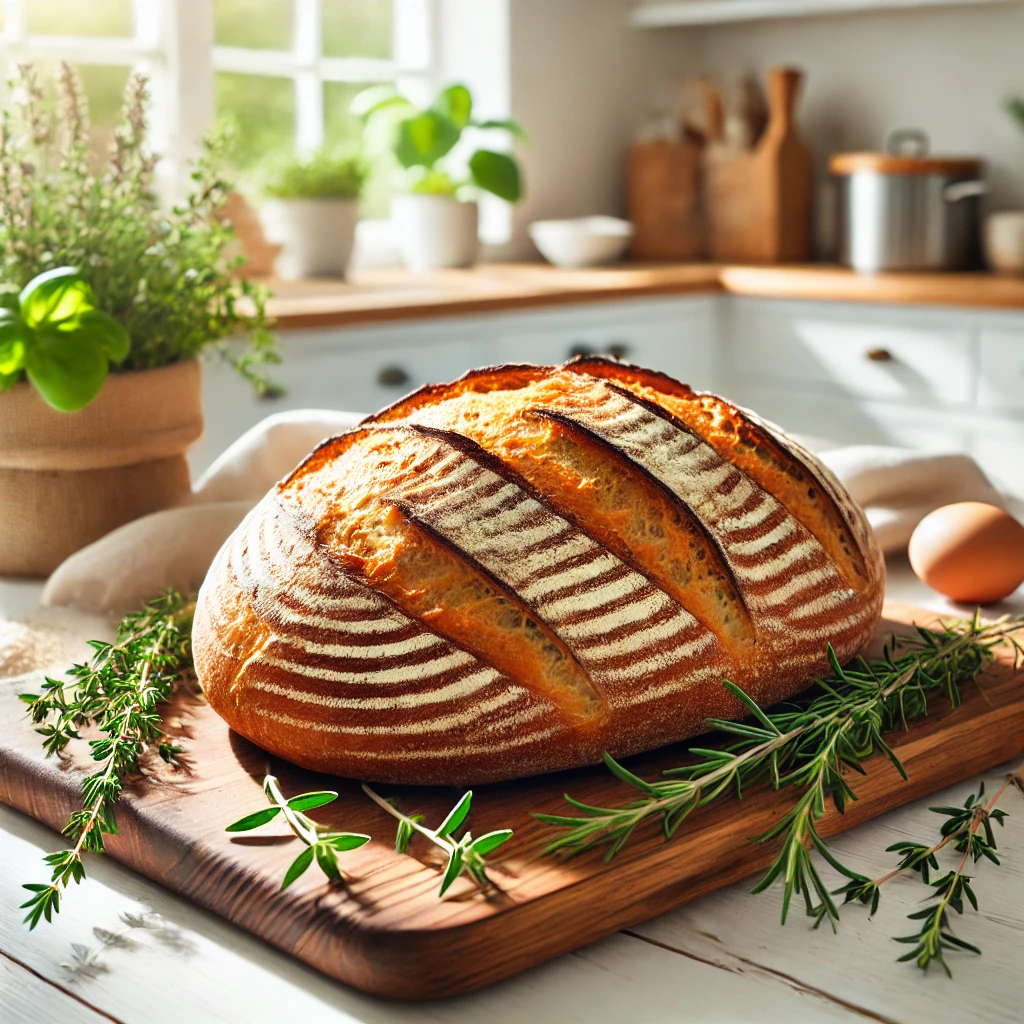
Unlock Fresh, Preservative-Free Bread: Why a Machine Helps You Succeed
There’s little that compares to the comforting aroma of freshly baked bread wafting through your home. It’s a sensory experience that promises warmth, sustenance, and a taste of wholesome goodness. Yet, for many aspiring home bakers, the journey to that perfect loaf can be fraught with frustration, leading them to question, do I need a bread machine to truly master the art?
The allure of homemade bread isn't just about taste; it's also about control. Opting for homemade means you choose every ingredient, ensuring your family enjoys preservative-free, additive-free goodness. No more deciphering lengthy ingredient lists or worrying about hidden sugars and strange chemicals. However, achieving that bakery-quality texture and consistent rise often feels like an elusive dream for beginners and even some seasoned cooks. This article will explore why a bread machine might be the kitchen companion you never knew you needed, transforming your bread-making woes into pure delight.
From "Banana Cake" to Beautiful Loaf: The Common Frustration of Manual Baking
Perhaps you’ve been there. You meticulously measure ingredients, follow a recipe step-by-step, patiently knead the dough, and watch it rise with hopeful anticipation. Then, after baking, you slice into it only to discover a dense, crumbly texture that bears little resemblance to the airy, chewy bread you envisioned. Instead of a golden, light loaf, you’re left with something more akin to a heavy cake, prompting the disheartening question: do I need a bread machine to make a "real" bread?
This struggle is incredibly common, especially when experimenting with healthier, more complex recipes. Imagine trying to create a "whole wheat, nuts, high fiber, breakfast bread" packed with wholesome ingredients like whole wheat flour, cornmeal, toasted peanuts, wheat bran, flax seeds, black sesame, and barley powder. While each ingredient promises nutritional value and flavour, combining them effectively for a proper bread texture is a delicate balance. Too many heavy inclusions can weigh down the gluten structure, preventing the light, open crumb characteristic of traditional bread.
The challenges extend beyond just ingredients. Proper yeast activation (using the right temperature of water), sufficient kneading for gluten development, and a consistent proofing environment are all critical factors. An imbalance in any of these can lead to a collapsed loaf, a brick-like texture, or a disappointing "banana cake" rather than the desired airy bread. One common culprit for collapsing loaves, for instance, can be an incorrect salt-to-yeast ratio, as salt plays a crucial role in controlling yeast activity and strengthening gluten. For more insights into common pitfalls and how to avoid them, read our article: Failed Bread? Do You Really Need a Bread Machine for Perfect Loaves?
Beyond the Basics: How a Bread Machine Simplifies Baking
For those feeling their "breadability" is in question, a bread machine offers a compelling answer. It takes the guesswork and much of the manual labour out of the equation, providing a consistent, controlled environment for every stage of bread making. If you're still asking, do I need a bread machine to consistently produce delicious, preservative-free loaves? Here’s how it helps:
- Automated Kneading: Say goodbye to sticky hands and aching arms. The bread machine’s paddle does all the hard work, kneading the dough to the perfect consistency for optimal gluten development. This ensures an even mix of ingredients and a smooth, elastic dough every time.
- Precise Proofing: Yeast is a finicky organism, sensitive to temperature fluctuations. A bread machine provides an ideal, stable environment for the dough to rise, ensuring optimal yeast activity and a beautiful, airy crumb. It eliminates the need to find a warm, draft-free spot in your kitchen.
- Integrated Baking Cycle: After kneading and proofing, many machines seamlessly transition to the baking phase. This hands-off approach means you can simply add your ingredients, press a button, and return hours later to a perfectly baked loaf. Imagine waking up to the irresistible aroma of warm, fresh bread, ready for breakfast!
- Consistent Results: By automating the most critical steps, bread machines drastically reduce the chances of common baking failures like under-proofed, over-proofed, or collapsed loaves. This consistency is invaluable for building confidence and encouraging more frequent baking.
- Control Over Ingredients: Because you're baking at home, you have complete control. You can choose organic flours, healthy seeds, and natural sweeteners, ensuring your bread is free from the preservatives, high fructose corn syrup, and other artificial additives often found in store-bought options.
Many bread machine users confess to having an inherited or gifted machine sitting untouched for years, only to fall in love with it once they finally give it a try. The convenience of setting it up the night before and waking up to fresh bread is a game-changer, fostering a healthy habit of daily homemade goodness.
More Than Just Loaves: Hidden Versatility of Your Bread Maker
Thinking a bread machine is only good for plain white loaves? Think again! The versatility of modern bread makers extends far beyond the basic bread cycle, making them a true multi-tasker in the kitchen. If you're still contemplating, do I need a bread machine for more than just simple bread, here are some surprising ways it can be used:
- Dough Only: This is arguably one of the most popular features. Many machines have a "dough" cycle that kneads and proofs the dough, but doesn't bake it. This allows you to easily prepare dough for:
- Homemade pizza crusts
- Soft dinner rolls or buns
- Focaccia bread
- Sweet cinnamon rolls or sticky buns
- Pasta dough (for some models)
- Bagels or pretzels
- Jams and Chutneys: Some advanced bread machines come with a "jam" or "compote" setting. The paddle gently stirs and cooks fruit with sugar, creating delicious homemade preserves with minimal effort.
- Cakes and Quick Breads: While not designed for delicate sponges, a bread machine can bake denser, loaf-style cakes and quick breads (like banana bread or zucchini bread) right in the pan.
- Specialty Breads: Many machines offer dedicated cycles for whole wheat, gluten-free, rye, and even rapid bake options, accommodating a wide range of dietary needs and preferences.
- Mixing Only: You can even use the kneading function solely for mixing ingredients for meatloaf or cookie dough, saving your hands and mixer.
The ability to effortlessly create various doughs opens up a world of possibilities for baking different items throughout the week, all stemming from the convenience of your bread maker. If you've struggled with creating various baked goods, this versatility is a huge selling point. Learn more about how a bread machine can turn your baking fails into successes here: Homemade Bread Fails: Is a Bread Machine Your Secret to Success?
Is a Bread Machine Right for You? Making the Decision
So, after considering the benefits, the ultimate question remains: do I need a bread machine? The answer largely depends on your lifestyle, baking aspirations, and desire for convenience. It's an excellent investment for:
- Busy Individuals and Families: If time is often a luxury, a bread machine allows you to enjoy fresh bread with minimal active participation. The delay timer feature means you can load ingredients the night before and wake up to a freshly baked loaf.
- Health-Conscious Eaters: Those prioritizing preservative-free, wholesome ingredients will appreciate the control a bread machine offers over their food.
- Beginners in Bread Making: If traditional bread making feels intimidating, a machine is a fantastic entry point, building confidence and understanding of the process.
- Those with Dietary Restrictions: Easily make gluten-free, whole grain, or low-sodium breads tailored to specific needs.
- Budget-Minded Shoppers: While there's an initial investment, making your own bread can be significantly cheaper than buying artisanal or specialty loaves from a bakery over time.
Choosing Your Bread Machine
If you decide a bread machine is for you, consider these "must-have" features:
- Multiple Settings: Look for basic, whole wheat, dough, and rapid cycles.
- Delay Timer: Essential for overnight baking.
- Crust Settings: Light, medium, and dark options.
- Loaf Size Options: Typically 1, 1.5, and 2-pound loaves.
And some "nice-to-have" features:
- Nut and Seed Dispenser: Automatically adds inclusions at the right time.
- Collapsible Kneading Paddle: Prevents a large hole in the bottom of your loaf.
- Viewing Window: To watch the magic happen.
Conclusion
Ultimately, the decision of do I need a bread machine comes down to your personal priorities. If you dream of consistently producing warm, fresh, and preservative-free bread with minimal effort, transforming a daunting task into an enjoyable one, then a bread machine can be an invaluable addition to your kitchen. It's more than just an appliance; it's a gateway to delicious, healthy homemade goodness and the sheer pleasure of waking up to the irresistible scent of a freshly baked loaf. So, whether you're a beginner battling "banana cake" bread or an experienced cook seeking ultimate convenience, perhaps it's time to dust off that old machine or invest in a new one and embrace the joy of effortless home baking.
